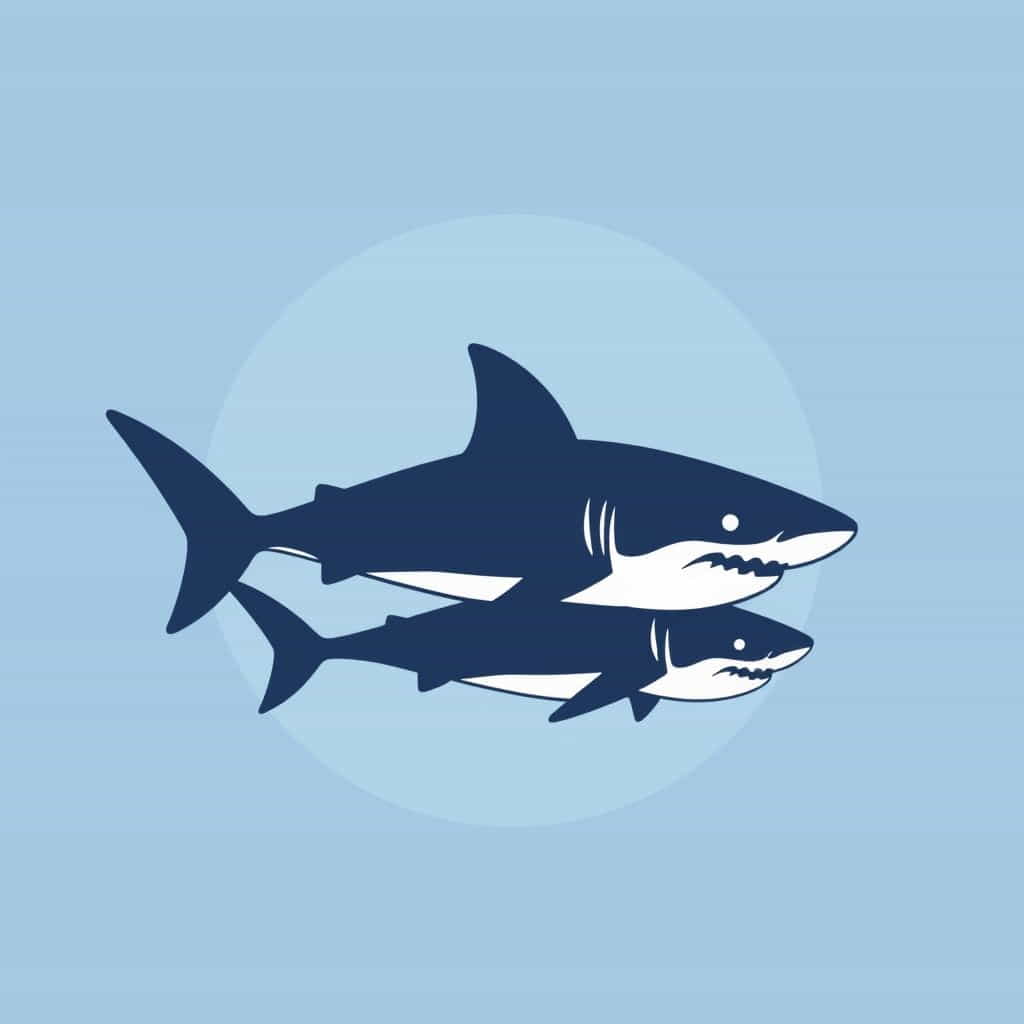
The great white shark (Carcharodon carcharias) is one of the most feared and fascinating predators in the ocean. While adult great whites dominate the seas, their newborns, also known as pups, have an equally interesting and challenging start to life. Unlike many fish, great white sharks give birth to fully developed, independent pups that must fend for themselves from the moment they are born.
In this topic, we will explore what newborn great white sharks look like, their size, diet, behavior, survival challenges, and how they grow into apex predators.
1. What Are Newborn Great White Sharks?
A newborn great white shark is called a pup. Unlike most fish that lay eggs, great whites are ovoviviparous, meaning they give birth to live young. These pups are not helpless they are born with fully functional teeth and instincts that help them survive.
✔ Scientific Name: Carcharodon carcharias
✔ Birth Method: Live birth (ovoviviparous reproduction)
✔ Size at Birth: About 4 to 5 feet (1.2 to 1.5 meters) long
✔ Weight: 50 to 60 pounds (23 to 27 kg)
✔ Lifespan: Up to 70 years (if they survive)
2. How Are Great White Shark Pups Born?
Great white sharks have a unique reproductive process that differs from most fish.
✔ Gestation Period: Around 12 to 18 months.
✔ Oophagy (Intrauterine Cannibalism): While in the womb, the strongest embryos consume weaker siblings and unfertilized eggs to gain strength.
✔ Live Birth: The mother gives birth to 2 to 14 pups in shallow coastal waters.
Once born, the pups receive no parental care and must immediately start hunting small fish and squid.
3. What Do Newborn Great White Sharks Look Like?
Newborn great white sharks look like miniature versions of adults, but with some differences:
✔ Sleek, streamlined bodies – Perfect for fast swimming.
✔ Sharp but small teeth – Designed for eating soft prey.
✔ Darker skin tone – Provides better camouflage in shallow waters.
✔ Flexible fins – Helps them maneuver easily while learning to hunt.
Their lighter underbelly and darker top (countershading) help them blend into their surroundings, protecting them from predators.
4. Where Are Great White Shark Pups Born?
Scientists believe great white sharks give birth in nursery areas, where the pups can grow safely before moving into open waters. These areas often include:
✔ Shallow coastal waters – Provides safety from larger predators.
✔ Warm ocean regions – Helps regulate their body temperature.
✔ Seagrass beds and reefs – Offers hiding spots for young sharks.
Some suspected great white shark nurseries include parts of South Africa, California, Australia, and Mexico.
5. What Do Newborn Great White Sharks Eat?
Unlike helpless newborn mammals, great white shark pups hunt as soon as they are born. Their diet consists of:
✔ Small fish – Such as anchovies, sardines, and mackerel.
✔ Squid and cuttlefish – Easy-to-catch soft-bodied prey.
✔ Crustaceans – Including crabs and shrimp in shallow waters.
As they grow, their diet expands to include larger fish, rays, and eventually seals and sea lions.
6. How Do Newborn Great White Sharks Survive?
Newborn great white sharks face many dangers. Only a small percentage survive to adulthood. Their biggest challenges include:
A. Predators
✔ Larger sharks, including adult great whites, may prey on them.
✔ Orcas (killer whales) are known to hunt young and adult great whites.
B. Competition for Food
✔ Many species of sharks and fish compete for the same food sources.
✔ Pups must learn to hunt efficiently to avoid starvation.
C. Human Threats
✔ Fishing nets and bycatch – Many young sharks are caught accidentally.
✔ Pollution and habitat destruction – Coastal nursery areas are shrinking.
7. Growth and Development of Great White Shark Pups
A newborn great white shark grows rapidly, gaining several feet per year in its early stages.
✔ Year 1: Grows to about 6 to 7 feet (1.8 to 2.1 meters).
✔ Year 5: Reaches around 10 to 12 feet (3 to 3.6 meters).
✔ Maturity: Males mature at 9 to 10 years, females at 15 years.
✔ Adult Size: Males can grow up to 13 feet, while females can reach over 20 feet.
During this time, their teeth grow larger and sharper, allowing them to hunt bigger prey.
8. Do Newborn Great White Sharks Stay with Their Mother?
No, great white shark pups receive no parental care. As soon as they are born, they are left to fend for themselves. The mother immediately swims away, and the pups rely on their instincts to survive.
Unlike mammals, where parents nurture and protect their young, sharks operate on survival of the fittest.
9. How Many Great White Shark Pups Survive?
Due to natural predators and environmental threats, only a small percentage of great white shark pups reach adulthood. Scientists estimate that:
✔ Less than 1 in 10 pups survive the first year.
✔ Even fewer make it past 5 years due to predation and competition.
This low survival rate helps control great white shark populations in the ocean.
10. Conservation Efforts for Great White Sharks
Great white sharks are vulnerable to extinction, and conservation efforts aim to protect newborn pups and adults alike.
✔ Marine Protected Areas (MPAs) – Restricted fishing zones help shark populations recover.
✔ Shark Tagging Programs – Scientists track great white movements to learn more about their nurseries.
✔ Public Awareness Campaigns – Educating people about the importance of sharks in marine ecosystems.
✔ Stronger Fishing Regulations – Reducing bycatch in commercial fishing nets.
Conservation is essential to maintaining ocean balance, as great white sharks play a key role in controlling prey populations.
11. Fun Facts About Newborn Great White Sharks
✔ They Are Born Ready to Hunt – Unlike many baby animals, great white shark pups don’t need parental care.
✔ They Have a Full Set of Teeth at Birth – Perfect for catching their first meal.
✔ They Start as Cannibals – Consuming their siblings in the womb helps them grow stronger.
✔ They Never Stop Growing – Unlike humans, sharks continue to grow throughout their lives.
✔ They Are Solitary from Day One – Each pup survives on its own, with no help from its mother.
Newborn great white sharks may start small, but they are built for survival. From the moment they are born, they rely on their instincts, speed, and hunting abilities to grow into one of the ocean’s most powerful predators.
Despite their fearsome reputation, great white sharks face many threats, including habitat destruction, overfishing, and climate change. Understanding these incredible creatures and their early struggles is key to protecting their future in our oceans.